
Fast, reliable pest control from Hernando County’s most trusted family-owned team—with most quotes given over the phone.
Contact Info
Fast, reliable pest control from Hernando County’s most trusted family-owned team—with most quotes given over the phone.
Contact Info

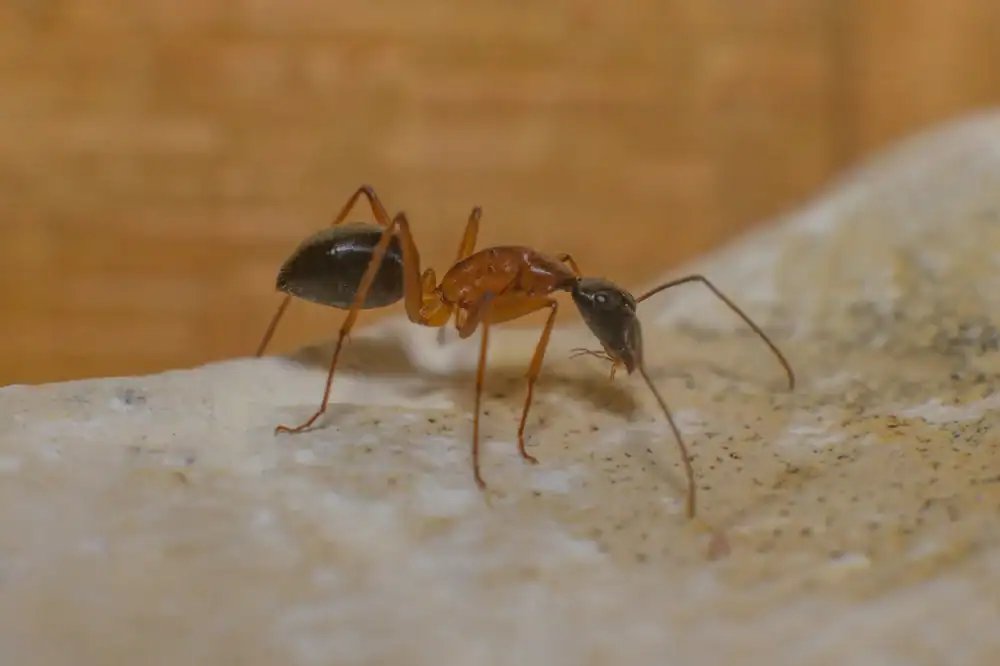
Living near the Croom Tract means your property sits at the edge of 20,000 acres of undisturbed forest — and that forest is full of fire ant colonies, carpenter ant galleries, and ghost ant nests that don’t recognize your property line. The pressure is constant. What changes after real ant control isn’t just fewer ants inside — it’s not watching where you walk in your own yard, not worrying about your dog finding a mound, and not dealing with ants in the kitchen every time the weather shifts.
For properties near the Withlacoochee River or the cypress areas running through the Croom corridor, moisture levels in the soil stay elevated year-round. That’s exactly the condition carpenter ants look for — softened wood near a moisture source. We treat the colony and the conditions driving them, not just the visible ants. Temporary fixes don’t work here. The goal is elimination, not suppression.
Ghost ants and sugar ants move indoors during Florida’s peak summer heat, and in rural Hernando County homes — many with older construction, crawl spaces, or gaps around utility lines — that migration happens fast. The right treatment for ghost ants is completely different from what works on fire ants. Getting that wrong doesn’t just waste money — it can split the colony and make things significantly worse.
We’re a family-owned business serving Croom and the surrounding Hernando County area. When you call about an ant problem, the owner picks up. Not a dispatcher, not a call center — the person who answers is the person who shows up and does the work. That’s not a common thing in this industry, and it matters more than most people realize until they’ve dealt with a company that doesn’t operate that way.
With over 100 five-star Google reviews from real Hernando and Pasco County customers, multiple FDACS licenses, and a BBB A+ rating, the credentials are there. But the reason people call back isn’t the paperwork — it’s that they got a straight answer, a fair quote over the phone, and someone who actually showed up when we said we would.
If you’re a new homeowner moving into the Croom-Rital Road corridor or a long-time Hernando County resident who’s been through the cycle of disappointing pest control companies, that consistency is the whole point.

It starts with a phone call. Most quotes are given over the phone, so you know what to expect before anyone steps foot on your property. No in-home sales visit, no pressure, no surprises on the invoice. You describe what you’re seeing — where the ants are, what they look like, how long it’s been going on — and that conversation already starts narrowing down what you’re dealing with.
When service begins, the first priority is identification. Fire ants, carpenter ants, ghost ants, and pharaoh ants all require different treatment approaches. Applying a repellent spray to a ghost ant or pharaoh ant infestation doesn’t eliminate the colony — it causes it to bud, splitting into multiple new colonies that spread deeper into your home. In a rural property near Croom with multiple entry points and wood-to-soil contact, that’s a serious problem. The right bait system, applied correctly to the right species, works with the colony’s behavior to eliminate it from the inside out.
For fire ant mounds in the sandy, open terrain along Croom-Rital Road, we use targeted mound treatment that reaches the queen — which is the only way to actually end it. After treatment, you’ll get clear guidance on what to expect, how long before activity stops, and what a quarterly prevention schedule would look like if you want to stay ahead of the forest-edge pressure long-term.

Ready to get started?
Ant control for a property near Croom isn’t the same job as treating a quarter-acre suburban lot in Spring Hill. Larger parcels, wooded surroundings, proximity to the Withlacoochee River, and direct forest adjacency all factor into how we plan and apply treatment. We account for all of it — the fire ant mound pressure in sandy, sun-exposed areas, the carpenter ant risk near moisture sources, the ghost ant and sugar ant activity that pushes indoors during summer heat, and the perimeter defense needed to keep reinfestation from happening the following week.
Interior ant baiting targets colonies that have already established satellite nests inside the home. Exterior perimeter treatment creates a barrier that disrupts foraging trails before ants reach your foundation. For fire ant mounds specifically, we use targeted mound drenching that eliminates the colony at the source rather than just scattering workers. Every application uses FDACS-compliant products, applied by a certified operator — which matters especially for properties near protected state forest land where application standards are not optional.
For ongoing protection, we recommend quarterly prevention visits as the practical answer to year-round forest-edge pressure. Florida’s climate means ant activity never fully stops, and one-time treatments rarely hold when you’re sitting next to 20,000 acres of continuous habitat. A consistent prevention schedule keeps the pressure managed before it becomes a problem you’re reacting to.

The land around Croom is exactly what fire ants look for — sandy, well-drained soil, open sunny areas, and plenty of undisturbed habitat nearby. The Withlacoochee State Forest Croom Tract provides 20,000 acres of continuous fire ant habitat, and the colonies on that land don’t stay there. They expand outward onto adjacent private properties constantly, especially after rain events that trigger swarming and new colony establishment.
Fire ant mounds can appear quickly in disturbed or cleared land, which is also relevant if you’re in the Croom-Rital Road corridor where new development is actively clearing forest land nearby. Disturbed soil is prime territory for fire ants to re-establish. Professional mound treatment that reaches the queen is the only reliable way to eliminate a colony — surface-level products scatter the workers temporarily but don’t end the infestation. If new mounds keep appearing after DIY treatment, that’s usually why.
Both can damage your home’s structure, but they do it differently. Termites eat wood — they consume it as a food source. Carpenter ants excavate it. They hollow out galleries inside wood to build their nests, and they prefer wood that’s already been softened by moisture. That distinction matters a lot for properties near Croom, especially those near the Withlacoochee River and the cypress ponds in the area, where soil moisture and wood moisture levels near foundations, decks, and outbuildings stay elevated year-round.
If you’re finding coarse sawdust-like material near wooden beams, window frames, or deck posts — especially near any area with water exposure or ground contact — carpenter ants are the more likely culprit. The damage expands over time as the colony grows, moving from moisture-damaged entry points into dry structural wood. Early treatment is significantly less complicated and less expensive than dealing with an established colony that’s been working through your framing for a season or two.
Ghost ants are one of the most frustrating pests in Florida homes specifically because of how their colonies are structured. Unlike fire ants, which have a single queen in a single mound, ghost ant colonies have multiple queens and multiple satellite nests spread across different locations. When you apply a repellent spray, the ants don’t die — they detect the chemical barrier and relocate, establishing new satellite nests in untreated areas of your home. The colony survives and spreads.
The correct treatment for ghost ants is a non-repellent bait system. The foragers carry the bait back to the colony, where it’s shared with the queens and other workers — eliminating the infestation from the inside rather than just pushing it around. In a Croom-area home with multiple entry points, older construction, or any gaps around utility lines or baseboards, a misapplied repellent spray can turn one ghost ant problem into several. If the ants keep coming back after spraying, the treatment approach — not just the product — is almost certainly the issue.
Yes — when applied by a licensed, FDACS-certified technician using properly labeled products at correct concentrations. We use EPA-compliant products and follow all label requirements for re-entry intervals, which means you’ll be told exactly how long to keep pets and children away from treated areas before it’s safe to return. That guidance is specific to the products used on your visit, not a generic “wait an hour” answer.
For rural Hernando County properties where pets spend significant time outdoors — especially properties with horses, dogs, or other animals in the yard — fire ant mound treatment safety is a real concern. The products used for mound drenching are targeted to the mound and surrounding soil, not broadcast across your entire property. If you have horses or livestock in pastures adjacent to treated areas, that’s worth mentioning before service begins so our technician can plan the application accordingly.
Most quotes are given over the phone, so you’ll have a clear number before anyone comes out — no in-home estimate required, no pressure to commit on the spot. Pricing depends on the size of your property, the type of ant, and whether you’re dealing with an active infestation or looking at ongoing prevention. For rural properties near Croom with larger lots and forest adjacency, that scope matters more than it would for a standard suburban home.
A one-time treatment addresses the current infestation. A quarterly prevention plan keeps the perimeter defended year-round — which is the more practical option when your property borders the Withlacoochee State Forest and reinfestation pressure is continuous. We also offer a new homeowner discount, which is directly relevant if you’re moving into one of the new developments along the Croom-Rital Road corridor and encountering Florida’s ant pressure for the first time. The honest answer is that one visit is often enough to solve an acute problem, but ongoing prevention is what keeps it from becoming a recurring one.
Yes — Croom and the surrounding eastern Hernando County area are within our regular service territory. That includes properties along Croom-Rital Road, the Ridge Manor corridor, and rural parcels adjacent to the Withlacoochee State Forest. We’re a Hernando County-based business, not a regional franchise dispatching from Tampa, so this isn’t a long-haul service call that gets deprioritized.
For residents in rural areas like Croom, getting a pest control company to actually show up — and answer the phone when you call — is often the harder part of the problem. We guarantee a response within 24 hours, seven days a week including weekends. If you’re on a remote property and you’ve dealt with companies that don’t return calls or skip appointments, that reliability is the thing most past customers mention first when they leave a review. The owner answers directly, schedules personally, and does the work — there’s no layer of staff between you and the person accountable for your results.