
Fast, reliable pest control from Hernando County’s most trusted family-owned team—with most quotes given over the phone.
Contact Info
Fast, reliable pest control from Hernando County’s most trusted family-owned team—with most quotes given over the phone.
Contact Info
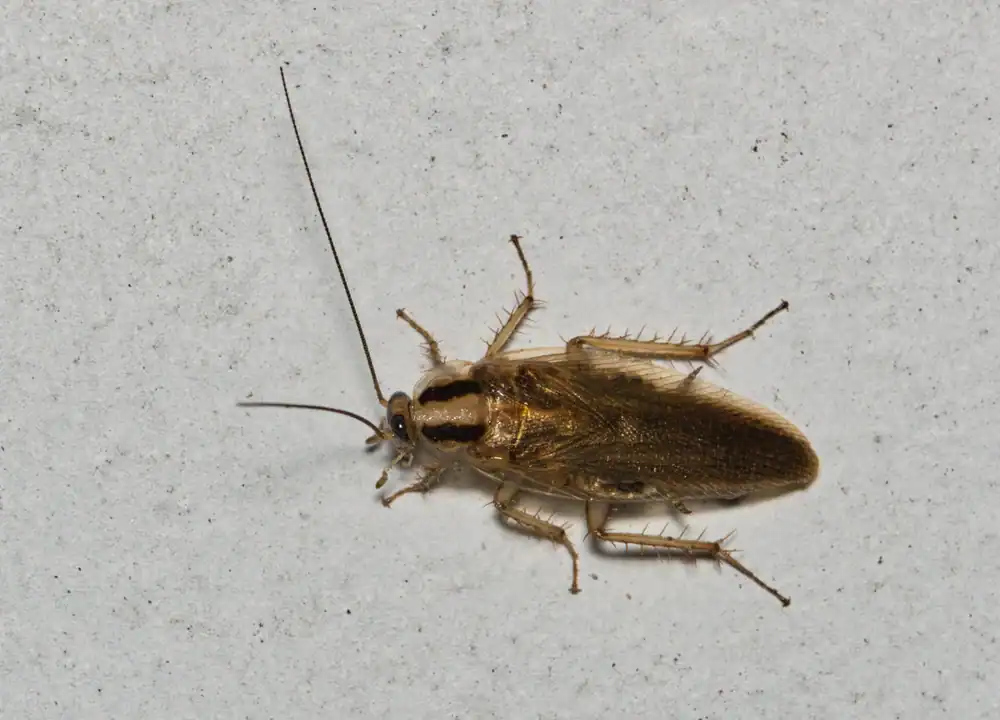
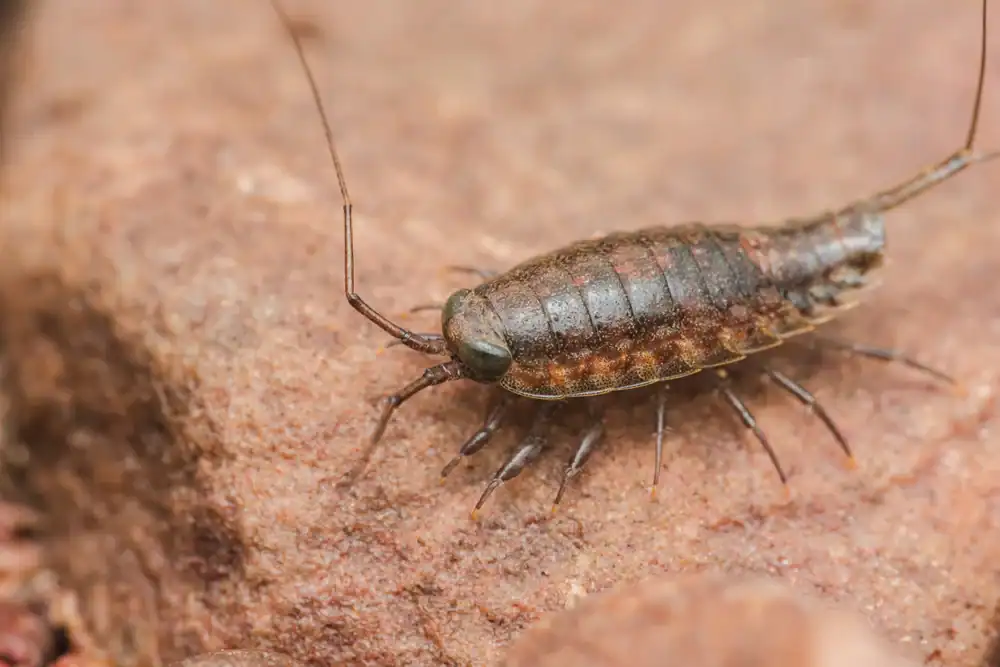
When you live near the Withlacoochee State Forest in Croom, cockroaches aren’t just a nuisance — they’re a constant. The leaf litter, the cypress swamps, the river floodplain — all of it creates ideal breeding ground for Palmetto bugs and Florida woods cockroaches that are actively looking for a way into your home. Especially after heavy rain pushes moisture levels up and the Withlacoochee River starts to rise, those insects move. And they move toward your structure.
What professional roach control in Croom, FL actually does is break that cycle. Not by spraying something that scatters roaches deeper into your walls, but by targeting the colony — the eggs, the nymphs, the harborage points — with baiting systems and treatments that work where the insects actually live. You stop seeing them because the population is eliminated, not just disturbed.
The older rural construction common to Croom-area properties — gaps around plumbing lines, foundation vents, unscreened crawl spaces — gives cockroaches more entry points than a newer suburban build. A treatment plan that accounts for that reality, and addresses both the interior and the exterior pressure points, is the difference between a fix that lasts and one that doesn’t.
We’re a family-owned, owner-operated business based in Spring Hill, right here in Hernando County. When you call, you reach George — our licensed owner, the certified technician, and the person who shows up at your door. Not a dispatcher. Not a rotating crew. George.
He’s been treating homes across Hernando County for over 14 years, including rural and forest-edge properties like those along Croom Road where the pest environment is nothing like a Spring Hill subdivision. He holds four active FDACS licenses under Florida Chapter 482, carries full liability insurance, and has earned over 100 five-star Google reviews from real neighbors in this county. Our BBB A+ accreditation since 2022 is just the paper trail behind what those reviews already say.
Most quotes are given over the phone. You describe what you’re dealing with — whether it’s a kitchen full of German roaches or Palmetto bugs coming in from the tree line off Croom Road — and George gives you a real number before anyone sets foot on your property.

It starts with a phone call. George asks you the right questions — what species you’re seeing, where they’re showing up, how long it’s been going on, and what the structure looks like. For Croom-area properties, that often means asking about outbuildings, crawl spaces, and proximity to the tree line or the river, because those details change how the treatment is approached. Most of the time, you’ll have a quote before you hang up.
When George arrives, he does a full assessment before anything gets applied. He’s looking at entry points, moisture sources, harborage areas, and the specific species involved — because German roach elimination in Croom, FL requires a fundamentally different approach than treating Palmetto bugs migrating in from the Croom Tract. German roaches are a colony-forming indoor species. They live inside your walls, under your appliances, and behind your cabinets. Palmetto bugs and Florida woods cockroaches are outdoor species that come in from the surrounding environment. The treatment has to match the biology.
For German roaches, that typically means professional-grade gel baiting systems placed in cracks and crevices where the colony lives, combined with insect growth regulators that interrupt the breeding cycle. For outdoor species, it means treating the perimeter, sealing entry points, and addressing the conditions that are pulling them toward your structure. After treatment, George walks you through what to expect — including realistic timelines and what follow-up looks like if activity continues.

Ready to get started?
Roach control in Croom, FL isn’t a one-size protocol. The combination of the Withlacoochee River corridor, the dense hardwood hammocks of the Croom Tract, and the older rural construction common to properties along Croom Road and Croom-Rital Road creates a pest environment that demands a layered approach — not a single spray and a handshake.
Every service includes a thorough inspection of the structure, identification of the specific species present, and a targeted treatment plan. For active German roach infestations — the kind that establish inside your kitchen, bathroom, or utility room and multiply fast — that means professional gel baiting systems applied directly to harborage areas, plus insect growth regulators to stop reproduction at the source. For Palmetto bug and Florida woods cockroach pressure coming in from the surrounding forest, treatment focuses on the perimeter, entry points, and exterior harborage zones like wood piles, leaf debris, and crawl space vents.
If you’re dealing with a seasonal-use structure — a hunting camp, a storage building, or a detached garage that’s been closed up for months — we assess and treat it as its own environment, not an afterthought. We also offer a quarterly prevention program for Hernando County properties that want ongoing protection, keeping a barrier in place through every season so that the forest stays outside where it belongs. New homeowners and military families receive special discounts, and all services are backed by our direct-line accountability — George’s number, not a call center.

Living adjacent to the Croom Tract means your property is surrounded by some of the most cockroach-friendly habitat in Hernando County. The leaf litter on the forest floor, the decaying wood, the cypress swamps, and the moisture from the Withlacoochee River all create ideal conditions for Palmetto bugs and Florida woods cockroaches to thrive outdoors in enormous numbers. When the river rises seasonally or heavy rain saturates the ground, those insects get displaced and actively seek shelter — and your home is the nearest dry structure.
The issue isn’t that your home is dirty or poorly maintained. It’s that the ecosystem surrounding Croom produces constant outward pest pressure, and most rural structures along Croom Road and Croom-Rital Road have more entry points than newer suburban builds — gaps around plumbing penetrations, older foundation vents, and door frames that have settled over time. Professional treatment addresses both the interior population and the exterior conditions that keep driving them in.
It matters a lot, and getting this wrong is one of the main reasons DIY treatments fail. German cockroaches are a small, tan-colored indoor species that form colonies inside your home — inside walls, behind appliances, under sinks, and in cabinet hinges. They don’t come in from outside in the way Palmetto bugs do. Once they’re established, they breed rapidly and don’t leave on their own. German roach elimination in Croom, FL requires targeted baiting systems and insect growth regulators applied directly to harborage areas inside the structure.
Palmetto bugs — which is the common Florida name for American cockroaches — are large, reddish-brown insects that primarily live outdoors. They come inside opportunistically, especially when moisture levels shift or temperatures drop. Florida woods cockroaches are similar in that they’re forest-floor dwellers that wander inside from the surrounding habitat. Treating Palmetto bugs and Florida woods cockroaches means addressing the perimeter of the structure and the conditions attracting them, not just spraying the inside. A proper inspection identifies which species you’re dealing with before any product is applied.
Consumer sprays are repellent-based, which sounds useful but creates a real problem with German roaches specifically. When you spray a repellent into a cabinet or along a baseboard, the colony doesn’t die — it scatters. The roaches move deeper into wall voids, behind appliances, and into areas that are harder to reach. You might see fewer roaches for a few days, but the colony is still intact and still reproducing. Over time, that scattered colony becomes harder and more expensive to treat because it’s now distributed throughout the structure rather than concentrated in one area.
For Palmetto bugs and outdoor cockroach species, consumer sprays have a short residual life and don’t address the source of the pressure — which, for a property near the Croom Tract, is the surrounding forest environment itself. Professional-grade products applied by a licensed technician have longer residuals, are placed strategically where insects actually travel, and are paired with an inspection that identifies why the infestation is happening in the first place. That’s the difference between treating a symptom and solving the problem.
For German roach infestations, you’ll typically see a significant reduction in activity within the first week after treatment. The gel bait draws the colony out, and the insect growth regulators start interrupting the breeding cycle. Full elimination of an established colony usually takes two to four weeks depending on the severity of the infestation and how long it’s been building. It’s normal to see some activity in the first few days after treatment — that’s actually a sign the bait is working.
For Palmetto bug and outdoor cockroach pressure, the timeline is a little different because the source of the pressure — the Withlacoochee State Forest, the river corridor, the surrounding landscape — doesn’t go away. A perimeter treatment creates a barrier that kills insects as they approach the structure, but in a forest-edge environment like Croom, that barrier needs to be maintained. That’s why our quarterly prevention program exists — it keeps the protection in place through Florida’s wet season, dry season, and every point in between, rather than leaving a gap that lets the pressure rebuild.
This is a fair and important question for anyone living near the Croom Wildlife Management Area, where white-tailed deer, wild turkeys, fox squirrels, and other wildlife share the landscape with your property. Our treatment approach is specifically designed to minimize broadcast chemical exposure. Gel baiting systems are applied inside cracks, crevices, and enclosed harborage areas — not sprayed openly across surfaces where pets, children, or wildlife would contact them. That targeted application method is both more effective against the colony and significantly safer for the surrounding environment.
George will walk you through exactly what products are being used, where they’re being applied, and what the re-entry timeframe looks like for your household. If you have horses, dogs, outdoor cats, or other animals on your property, that information is part of the conversation before treatment begins — not an afterthought. All products used are applied in compliance with Florida Chapter 482 licensing requirements, which include strict standards for product selection and application method.
Yes. We offer special discounts for new homeowners and for military families — and both apply to Croom-area residents. Hernando County has a meaningful veteran population, and the rural character of the Croom area attracts a lot of buyers who are purchasing property here for the first time, whether they’re coming from out of state or relocating from the Tampa Bay metro. If you’ve recently bought land or a home near the Withlacoochee State Forest and you’re encountering the pest realities of a forested rural property for the first time, the new homeowner discount is available to you.
The military discount reflects a straightforward commitment to the families who’ve served. It’s not tied to a specific service tier or minimum spend — George will apply it to your service when you call. If you’re unsure whether you qualify for either discount, just ask when you call for your quote. Most quotes are handled over the phone, so you’ll know exactly what the service costs — with any applicable discount factored in — before anyone comes to your property.