
Fast, reliable pest control from Hernando County’s most trusted family-owned team—with most quotes given over the phone.
Contact Info
Fast, reliable pest control from Hernando County’s most trusted family-owned team—with most quotes given over the phone.
Contact Info
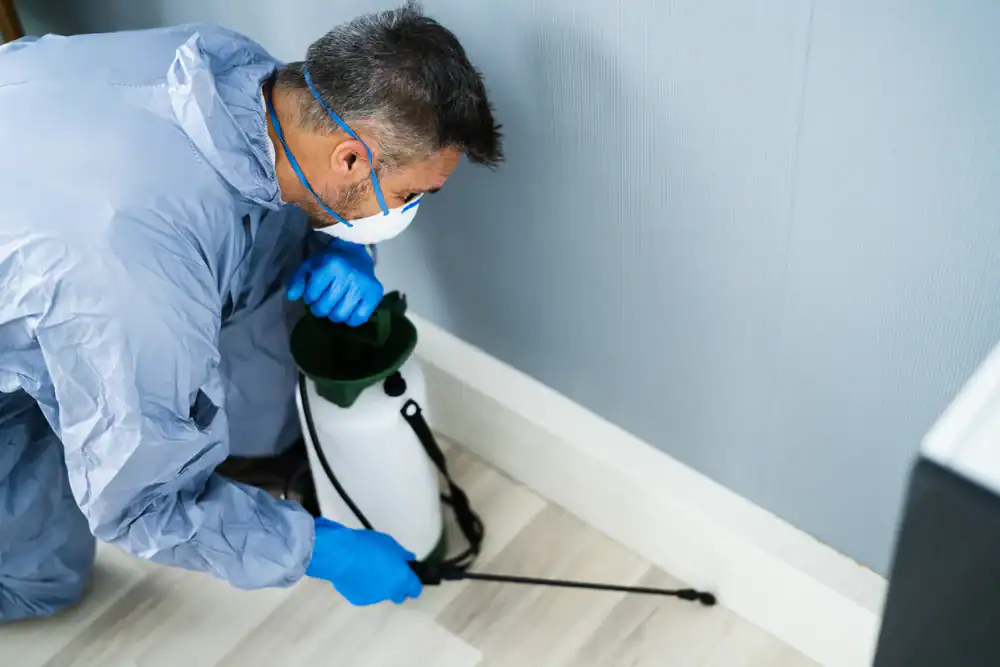
You’re not looking for scare tactics. You want to know your home is protected without spending money you don’t need to spend.
Termite prevention in Berkeley, FL means catching activity before it becomes a crisis. In Florida, there are 13 subterranean termite colonies per acre—and they can feed on your structure for 3 to 5 years before you notice anything’s wrong. By then, you could be looking at $15,000 or more in damage that your insurance won’t touch.
An annual termite protection plan gives you regular inspections, monitoring, and treatment that stops infestations early. You get peace of mind knowing a licensed professional is watching for signs most homeowners miss. And if termites do show up, you’re already ahead of them—not scrambling to find help after the damage is done.
Around The Clock Pest Service is family-run, which means when you call, you’re talking to George—the owner. Not a call center. Not a salesperson who’s never done the work.
We’ve been serving Hernando County and surrounding areas since 2020, building our reputation on honest communication and real results. Over 100 five-star reviews, an A+ BBB rating, and state certification (license LF286842) back that up. We answer calls 24/7, even on weekends, because termite concerns don’t wait for business hours.
Berkeley homeowners deal with the same termite pressure as the rest of Florida—warm, humid conditions that termites thrive in year-round. We know the local species, the seasonal patterns, and what it takes to keep your home protected in this environment.
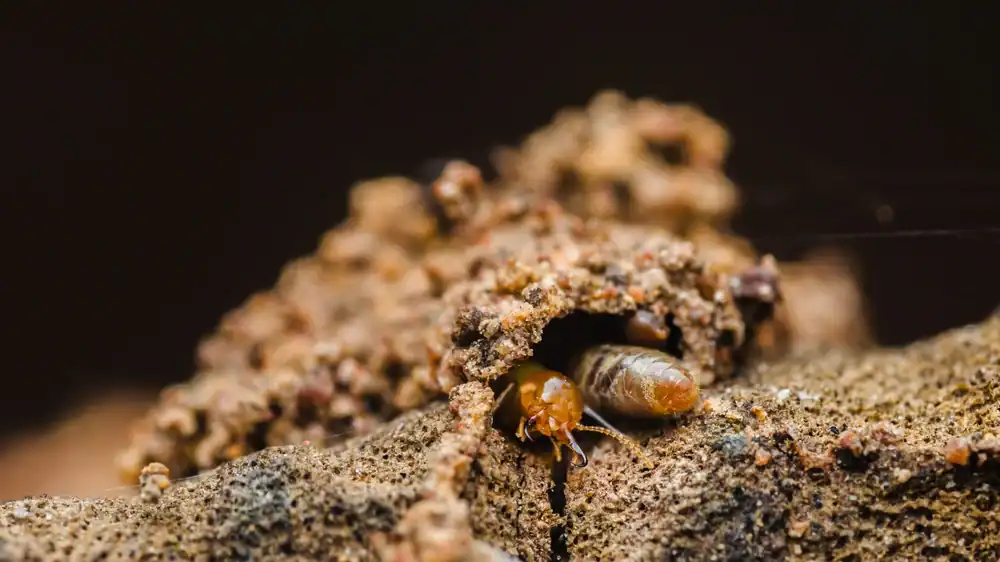
First, we inspect your property—inside and out. We’re looking for active termites, signs of past activity, conducive conditions, and vulnerable areas around your foundation, crawl spaces, and wood structures.
If we find termites, we’ll explain exactly what’s happening and what treatment options make sense for your situation. Most termite prevention services in Spring Hill, FL and surrounding areas involve either liquid treatments around your foundation or monitoring stations that catch termites before they reach your home.
After treatment, we set up an annual monitoring plan. You’ll get regular inspections to make sure your home stays protected. If termites show up between visits, we respond fast—usually within 24 hours. You also get phone quotes upfront, so there’s no surprise pricing or pressure to decide on the spot.

Ready to get started?
You get a thorough inspection by a state-certified technician who knows what to look for. That includes checking your foundation, crawl spaces, attic, garage, and any wood-to-ground contact points where termites typically enter.
If treatment is needed, we use methods designed for Florida’s climate and termite species—both subterranean and drywood. Liquid barrier treatments create a protective zone around your home. Monitoring stations catch termite activity early, before colonies grow large enough to cause damage.
Your annual termite protection plan includes follow-up inspections to catch new activity before it becomes a problem. In Berkeley, FL and throughout Hernando County, spring is the best time to start prevention—before colony numbers spike in the summer heat. But termites are active year-round here, so there’s no bad time to get protected.
We also handle WDO inspections required for real estate transactions, refinancing, and certain loan types. And if you’re a new homeowner or military family, ask about our discounts.
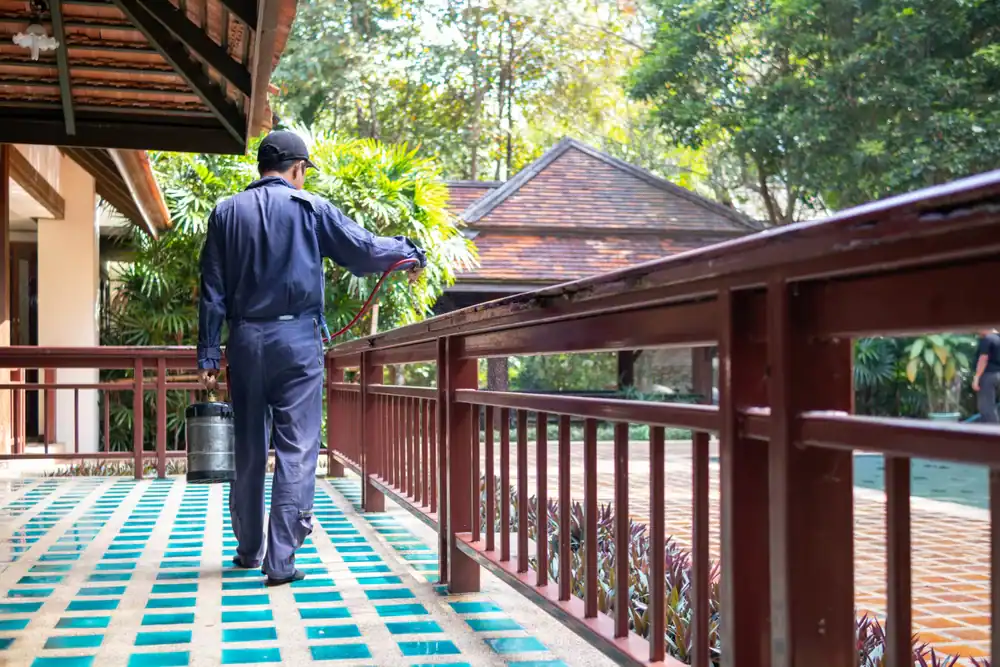
Most termite inspections in Florida range from $75 to $150. Some companies waive the inspection fee if you move forward with treatment, but not all do—so it’s worth asking upfront.
Treatment costs depend on your home’s size, the type of termites, and the method used. Liquid barrier treatments and monitoring systems have different price points, and both work well depending on your situation. What matters more than the upfront cost is this: termite prevention will always be cheaper than paying for damage after the fact.
The average termite damage repair in Florida exceeds $15,000. Your homeowner’s insurance won’t cover it. So when you’re comparing costs, you’re really comparing a few hundred dollars now versus tens of thousands later. We give phone quotes so you know what you’re looking at before we ever come out.
At least once a year. That’s the industry standard in Florida, and for good reason—our warm, humid climate creates ideal conditions for termites 365 days a year.
Annual inspections catch new activity before it turns into structural damage. Termites can be feeding on your home for 3 to 5 years before you notice anything’s wrong. By the time you see mud tubes, hollow-sounding wood, or discarded wings, the colony is already established and doing damage.
If you’re in a high-risk area, have had termites before, or your home has conditions that attract them (like wood-to-ground contact or moisture issues), you might want inspections twice a year. An annual termite protection plan takes care of this automatically—you’re not trying to remember when your last inspection was or scrambling to schedule one when you’re selling your home.
Subterranean termites live in the soil and build mud tubes to reach wood above ground. They need moisture to survive, so they’re usually found near your foundation, crawl spaces, or anywhere wood contacts soil. These are the most common termites in Berkeley, FL—and the most destructive. There are 13 colonies per acre in Florida.
Drywood termites don’t need soil or moisture. They live entirely inside the wood they’re eating, which makes them harder to detect. You might find small piles of pellets that look like sawdust near infested wood. They’re less common than subterranean termites but still a real threat in Florida.
The treatment approach is different for each species. Subterranean termites usually require liquid barrier treatments or monitoring stations around your foundation. Drywood termites might need localized treatments or fumigation depending on how widespread the infestation is. A proper inspection identifies which species you’re dealing with so treatment actually works.
No. Termite damage is almost never covered by homeowner’s insurance in Florida or anywhere else in the country. Insurance companies consider termites a preventable maintenance issue, not a sudden accident or disaster.
That means if termites cause $20,000 in structural damage to your home, you’re paying for repairs out of pocket. This is why prevention matters so much—it’s not just about avoiding the hassle of an infestation. It’s about avoiding financial devastation.
Florida homeowners spend over $500 million per year on termite damage and prevention combined. The cost of fixing damage alone can exceed $15,000 for a single home. Compare that to the cost of an annual termite protection plan, and the math is pretty clear. You’re either paying a little now to prevent problems, or a lot later to fix them.
Yes, in most cases. A WDO (Wood Destroying Organism) inspection is required for most real estate transactions in Florida, including FHA and VA loans. Even if your loan type doesn’t require it, many buyers will request one before closing.
The inspection checks for termites, wood-boring beetles, and other pests that damage wood structures. If the inspector finds active termites or damage, you’ll need to address it before the sale goes through—which can delay closing and cost you money if you’re not prepared.
If you’re planning to sell your home in Berkeley, FL, it’s smart to get a WDO inspection done early. That way, if there’s an issue, you can handle it on your timeline instead of scrambling to find treatment during negotiations. We provide WDO inspections for real estate transactions and can turn them around quickly if you’re working on a tight closing schedule.
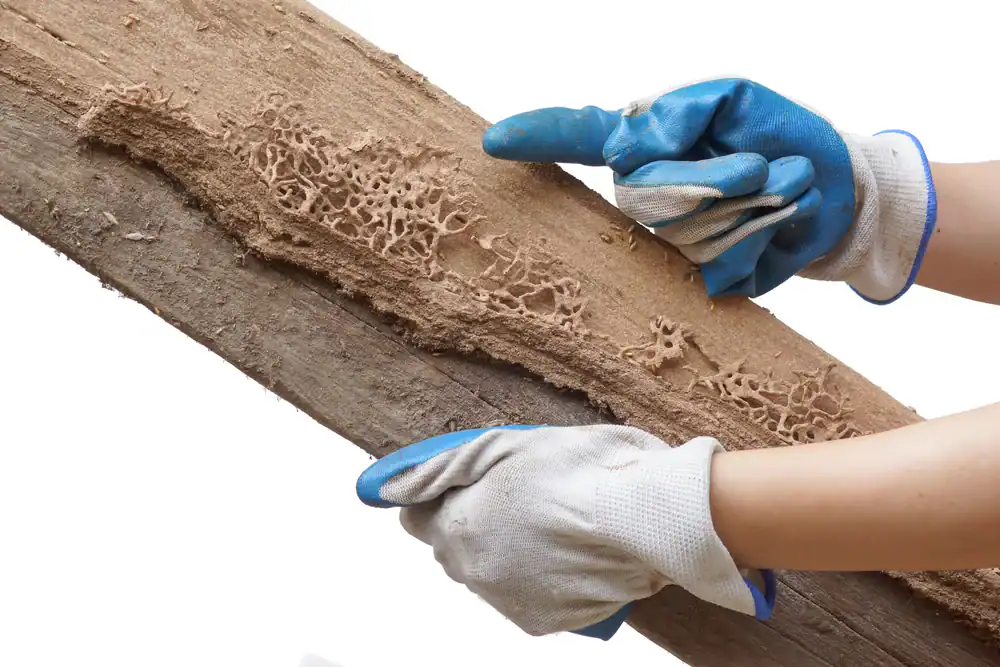
Mud tubes are one of the most obvious signs. Subterranean termites build these pencil-thin tunnels from the soil to wood sources, usually along your foundation, walls, or pier supports. If you see them, you’ve got an active infestation.
Hollow-sounding wood is another red flag. Tap on baseboards, door frames, or support beams with a screwdriver handle. If it sounds hollow or the wood feels soft and breaks easily, termites may have eaten away the inside. You might also notice blistering or darkening in wood floors, or paint that looks uneven or bubbles up.
Discarded wings near windows, doors, or light sources mean a termite swarm happened recently. Reproductive termites (swarmers) shed their wings after finding a mate and starting a new colony. If you see piles of wings, there’s likely a colony nearby—or already inside your home. Spring is peak swarming season in Florida, but swarms can happen year-round. If you’re seeing any of these signs, don’t wait. The longer termites feed, the more damage they cause—and the more expensive repairs become.