
Fast, reliable pest control from Hernando County’s most trusted family-owned team—with most quotes given over the phone.
Contact Info
Fast, reliable pest control from Hernando County’s most trusted family-owned team—with most quotes given over the phone.
Contact Info
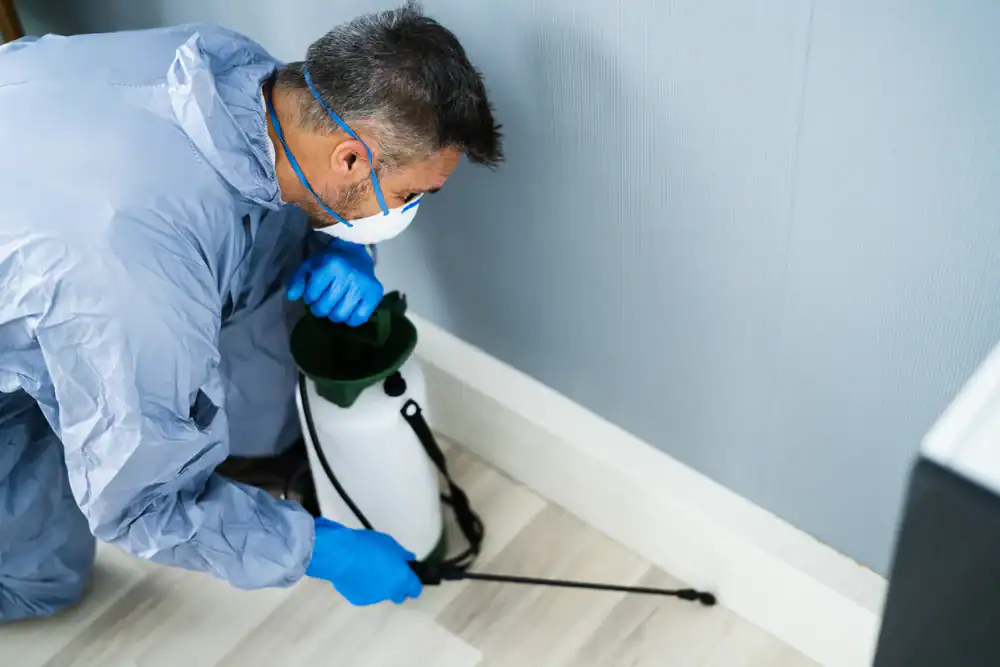
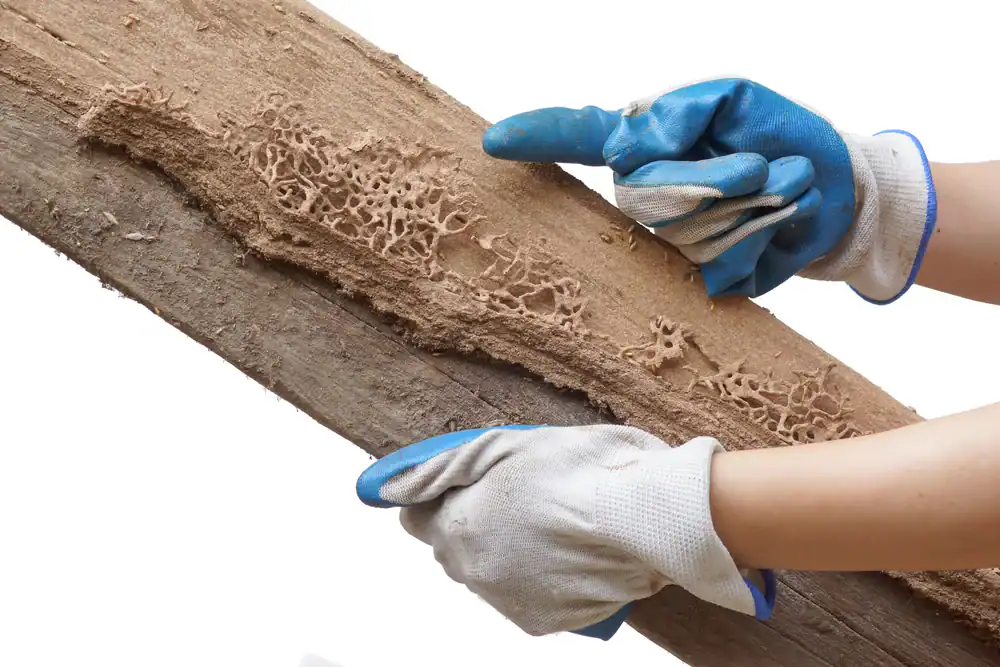
You’re not dealing with termites because you did something wrong. Florida’s warm, humid climate makes every home a target. Subterranean termites stay active year-round here, and they only need a crack 1/32nd of an inch wide to get inside.
Most homeowners don’t know they have a problem until the damage is done. Termites can feed on your structure for three to five years before you notice anything. By then, you’re looking at repair bills between $8,000 and $12,000—sometimes more.
And here’s the part that catches people off guard: your homeowner’s insurance won’t cover it. Termite damage is specifically excluded from most policies. That means every dollar comes out of your pocket.
Termite prevention services Spring Hill FL residents rely on aren’t about scaring you. They’re about giving you a plan that works before the problem starts. Annual inspections, proactive treatments, and monitoring that actually catches issues early—that’s what keeps your home protected and your costs predictable.
We operate differently than the big companies. You work directly with the owner—not a call center, not a rotating crew. When you call, even on weekends, you get a real person who knows your property and your concerns.
We’ve built our reputation in Hernando and Pasco counties by doing what we say we’ll do. Over 100 five-star reviews reflect that consistency. We’re state-certified, locally invested, and available 24/7 because termite problems don’t wait for business hours.
Richloam homeowners face the same termite pressure as the rest of Central Florida—high humidity, sandy soil, and year-round activity. We’ve been protecting properties in this area long enough to know what works and what doesn’t. You’ll get honest answers, transparent pricing, and service that treats your home like it matters—because it does.
It starts with a thorough inspection. We check your foundation, crawl spaces, wood structures, and any areas where moisture or wood-to-ground contact creates risk. You’ll know exactly what we find and what it means.
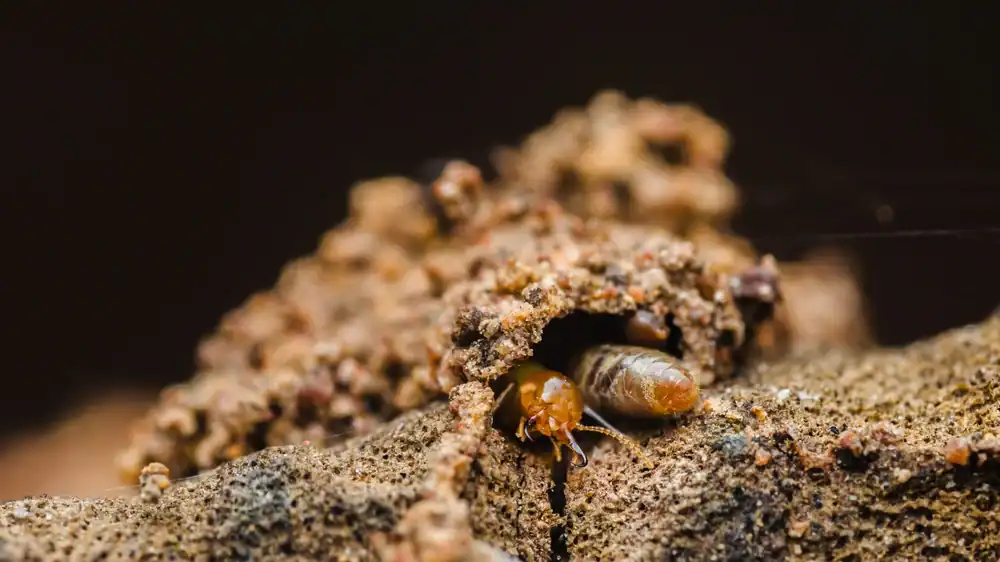
If termites are present, we identify the species—subterranean termites are the most common in Richloam—and design a treatment plan that eliminates the colony and prevents reentry. If your home is clear, we set up a prevention plan that keeps it that way.
Treatment typically involves liquid termiticides applied around your foundation, creating a barrier termites can’t cross. We also address conducive conditions like moisture issues, wood debris, or structural vulnerabilities that invite activity.
After treatment, we schedule annual inspections to monitor your property and catch any new threats early. You’ll get a report after every visit, and if anything changes, we respond fast. Most quotes are provided over the phone, so you’re not waiting days for an estimate. And if you need us between scheduled visits, we’re available around the clock.

Ready to get started?
Your annual termite protection plan covers comprehensive inspections, preventive treatments, and monitoring designed specifically for Florida’s termite pressure. We inspect all accessible areas—foundation, subfloors, crawl spaces, attics, and exterior wood structures.
Treatment includes liquid termiticide application around your home’s perimeter, targeting the zones where subterranean termites are most likely to enter. We also provide WDO (Wood-Destroying Organism) inspections required for real estate transactions, refinancing, or insurance purposes.
Richloam sits in an area where Florida’s termite density is among the highest in the country. Studies show an average of 13 subterranean termite colonies per acre in this region. That’s not a scare tactic—it’s geography. Your home is surrounded by active colonies, and without a barrier, it’s only a matter of time before they find a way in.
We also offer special pricing for military families and new homeowners, because we know how much goes into protecting and maintaining a home. Every plan includes direct access to the owner, transparent communication, and the kind of service that doesn’t disappear after the first visit.
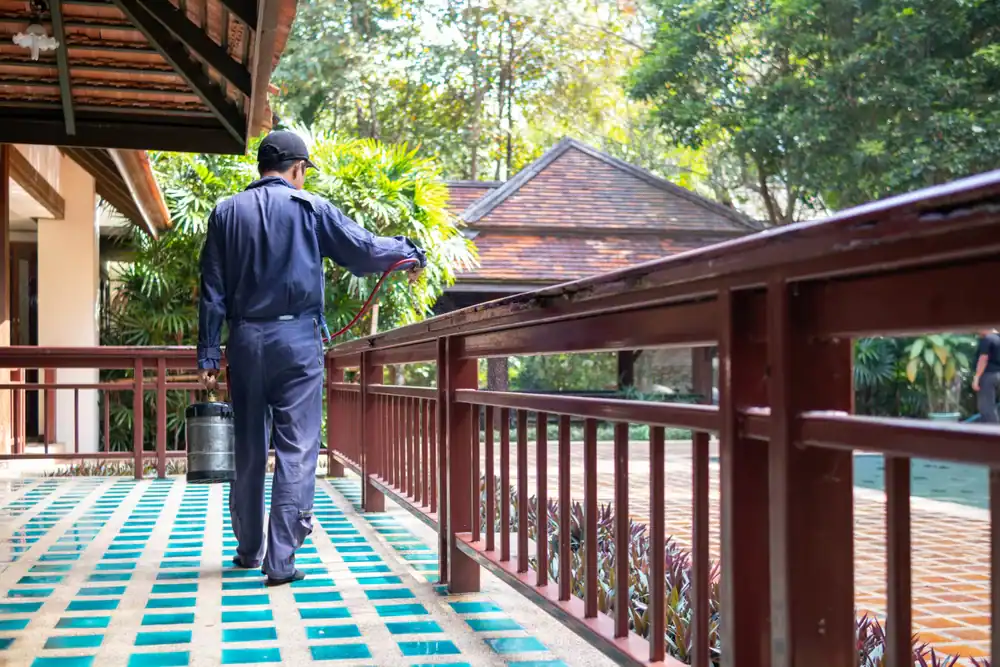
Cost depends on your home’s size, construction type, and whether you’re starting with an active infestation or setting up prevention. Most annual termite protection plans for an average-sized home in Richloam range from a few hundred dollars to around $1,000 per year.
That might sound like a lot until you compare it to the alternative. The average termite damage repair in Florida costs between $8,000 and $12,000. Severe cases can exceed $20,000. And since homeowner’s insurance doesn’t cover termite damage, you’re paying that out of pocket.
We provide most quotes over the phone once we know your property details. If an inspection is needed first, we’ll schedule it fast and get you a clear estimate with no surprises. We’re not the cheapest option out there, but we’re the one that shows up when we say we will and does the work right the first time.
Once a year, minimum. Florida’s climate keeps termites active year-round, unlike colder states where activity slows in winter. That constant pressure means your home is always at risk.
Annual inspections catch early warning signs before they turn into expensive problems. We’re looking for mud tubes, wood damage, moisture issues, swarmer activity, and conducive conditions that attract termites. Even if your home was treated last year, new colonies can move in or conditions can change.
If you’re buying or selling a home, you’ll need a WDO inspection as part of the transaction. Lenders and insurance companies often require it. We handle those too, with fast turnaround so your closing doesn’t get delayed. Between scheduled inspections, if you see swarming termites, mud tubes, or hollow-sounding wood, call us immediately. We respond 24/7 because waiting even a few weeks can make a difference.
Prevention is what you do before termites show up. Treatment is what you do after they’re already inside. Both use similar methods, but the goal and urgency are different.
Prevention involves applying a liquid termiticide barrier around your home’s foundation and monitoring for early signs of activity. It’s proactive. You’re creating a zone termites can’t cross, so they never establish a colony in your structure.
Treatment means there’s already an active infestation. We have to eliminate the existing colony, repair the damage they’ve caused, and then set up prevention to stop it from happening again. Treatment costs more because there’s more work involved—and often, more damage to address.
If your home doesn’t have termites right now, prevention is the smarter financial move. If you’re seeing signs of activity, treatment is necessary. Either way, we’ll tell you exactly what’s happening and what needs to be done. No upselling, no scare tactics—just honest assessment and a clear plan.
Yes, termites swarm in Richloam, typically in late winter through early spring. Swarming is when winged termites leave an established colony to start new ones. If you see swarmers inside your home, it usually means there’s already a colony nearby or inside your structure.
Swarmers look like flying ants, but there are key differences. Termite swarmers have straight antennae, equal-length wings, and a thick waist. Flying ants have bent antennae, unequal wings, and a pinched waist. If you’re not sure, save a few and we’ll identify them.
Seeing swarmers outside isn’t necessarily a problem—they’re everywhere in Florida. But if they’re inside, especially near windows, doors, or light fixtures, that’s a red flag. It means a colony is close enough that swarmers are emerging from your walls or foundation.
Don’t ignore it. Swarmers themselves don’t cause damage, but they’re a sign that workers are actively feeding on your structure. We can inspect, confirm the species, locate the colony, and treat it before the damage gets worse. Most people call us the same day they see swarmers, and that’s the right move.
No. Homeowner’s insurance policies specifically exclude termite damage. It’s considered preventable, so insurers don’t cover the cost of repairs or treatment. That’s true across Florida, including Richloam.
This catches a lot of homeowners off guard. You assume your policy covers structural damage, and it does—for things like storms, fires, or accidents. But termites fall into the same category as maintenance issues. Insurance companies expect you to prevent them.
That’s why termite prevention isn’t optional in Florida. It’s a necessary part of homeownership, like roof maintenance or HVAC service. The difference is that skipping termite prevention can cost you five figures in repairs.
Some pest control companies offer damage warranties as part of their protection plans. We can discuss what’s covered under your plan and what’s not. But the bottom line is this: if you don’t have a prevention plan and termites cause damage, you’re paying for it yourself. And in Florida, where termites cause over $500 million in damage every year, that’s a risk most homeowners can’t afford to take.
Most liquid termiticide treatments last five to ten years, depending on the product used, soil conditions, and environmental factors. But that doesn’t mean you’re protected for a decade without follow-up.
Florida’s heavy rains, sandy soil, and constant termite pressure can reduce the effectiveness of treatments over time. That’s why annual inspections are critical. We’re not just checking for new termite activity—we’re also making sure your barrier is still intact and working.
If we find weak spots or signs that the treatment is breaking down, we’ll reapply in those areas. It’s a lot cheaper to maintain an existing barrier than to start over after termites get in.
Some companies offer annual retreatment as part of their protection plans. Others monitor and retreat only when necessary. We’ll explain what your property needs based on its specific conditions—soil type, moisture levels, landscaping, and construction. You’ll know what to expect, when to expect it, and what it costs. No surprises, no fine print.