
Fast, reliable pest control from Hernando County’s most trusted family-owned team—with most quotes given over the phone.
Contact Info
Fast, reliable pest control from Hernando County’s most trusted family-owned team—with most quotes given over the phone.
Contact Info
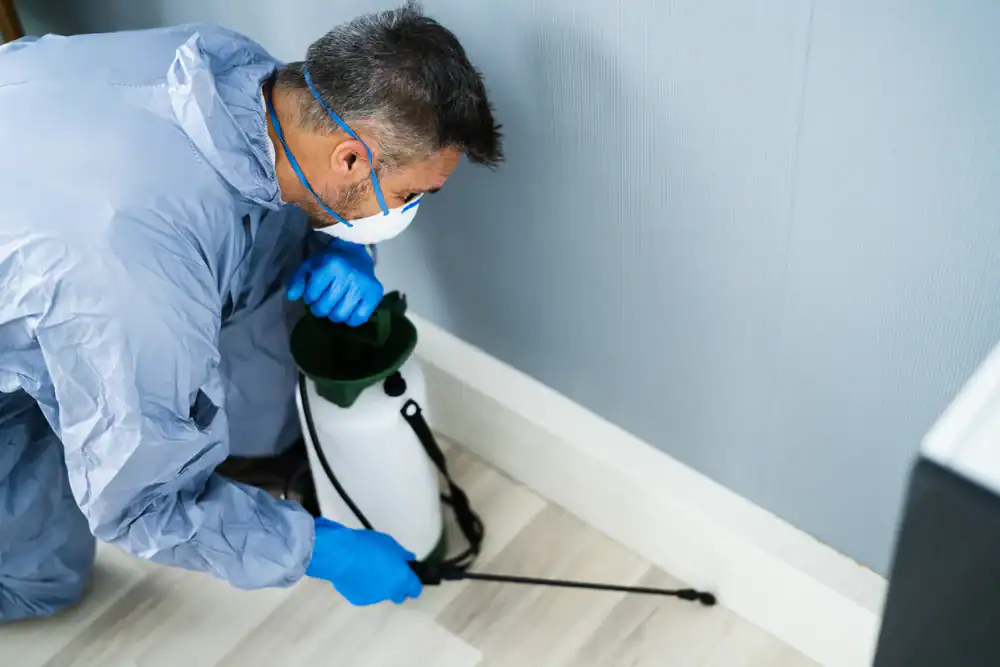
You’re not dealing with a problem yet. That’s exactly the point.
Our termite prevention services in St. Leo, FL and throughout Hernando County mean you never have to face that $8,000 to $12,000 repair bill most Florida homeowners get hit with. You avoid the stress of wondering what’s happening inside your walls. You skip the part where your insurance company tells you they don’t cover termite damage—because they don’t.
What you get instead is a home that’s actively protected. Regular monitoring. Treatments that create a barrier termites can’t cross. And the ability to sleep at night knowing you’re not gambling with your equity.
Prevention isn’t about fear. It’s about being smart enough to handle something before it becomes expensive.
Around The Clock Pest Service is a family-run operation serving St. Leo, FL and surrounding areas in Hernando and Pasco County. When you call, you talk directly to the owner—not a call center, not a scheduler. Just someone who knows termites, knows this area, and answers their phone even on weekends.
We’ve built our reputation on over 100 five-star Google reviews, state certifications, and the kind of service that comes from actually caring about the outcome. You get quotes over the phone. You get responses within 24 hours. You work with people who live here and understand what Florida’s climate does to homes.
We’re not the biggest company. We’re the one that picks up when you call and shows up when we say we will.
First, we inspect your property. We’re looking for conditions that attract termites—moisture issues, wood-to-ground contact, cracks in your foundation. We check for early signs of activity you wouldn’t notice on your own.
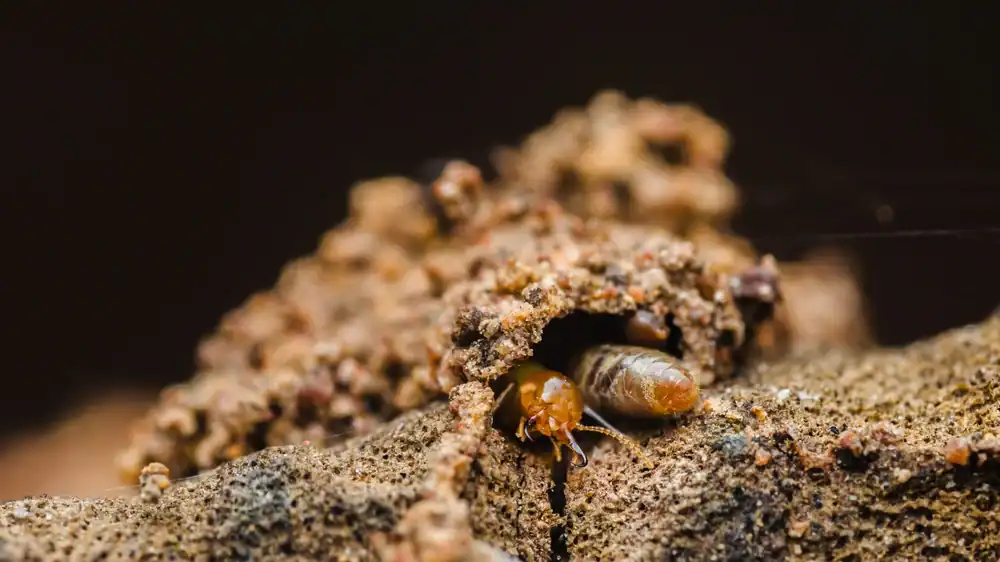
Then we create a treatment plan based on what we find. That might mean a liquid barrier around your foundation, bait stations strategically placed around your property, or both. We’re targeting subterranean termites and drywood termites, the two species doing the most damage in St. Leo, FL.
After the initial treatment, we set up monitoring. Termites don’t take a season off in Florida—they’re active year-round. So we come back on a schedule that makes sense for your property, checking stations, reapplying treatments as needed, and making sure nothing’s changed.
You’re not locked into anything complicated. You just get a home that’s protected and a team that stays on top of it.

Ready to get started?
Your annual termite protection plan covers the full scope of what it takes to keep termites out. That includes the initial inspection, treatment application, ongoing monitoring visits, and any retreatments needed throughout the year.
In St. Leo, FL and across Hernando County, you’re dealing with roughly 13 subterranean termite colonies per acre. That’s not a scare tactic—that’s Florida Department of Agriculture data. The warm, humid climate here means termites stay active all year and can consume wood up to seven times faster than they do in cooler states.
We account for that. Your plan is built around the reality of living in Florida, not some national average that doesn’t apply here. We also provide WDO inspections if you’re buying or selling a home, military and new homeowner discounts, and transparent pricing with no surprise fees.
You’re covered. And if something comes up between visits, we’re available 24/7 to handle it.
Professional termite prevention in St. Leo, FL typically costs a few hundred dollars per year depending on your property size and the treatment method used. Termite damage repair, on the other hand, averages between $8,000 and $12,000 in Florida—and severe cases can exceed $20,000.
Your homeowners insurance won’t cover that damage. Termites are considered a preventable issue, which means you’re paying out of pocket if they get in. Prevention is always cheaper than repair, and it’s the only way to avoid finding out the hard way that your floors are compromised or your framing is hollowed out.
The math is simple. Spend a little now, or risk spending a lot later with no help from your insurance company.
Subterranean termites live in the soil and build mud tubes up to your home’s wood. They need moisture to survive, so they’re drawn to areas with water damage, leaky pipes, or wood that touches the ground. They’re the most common type in St. Leo, FL and cause the majority of structural damage.
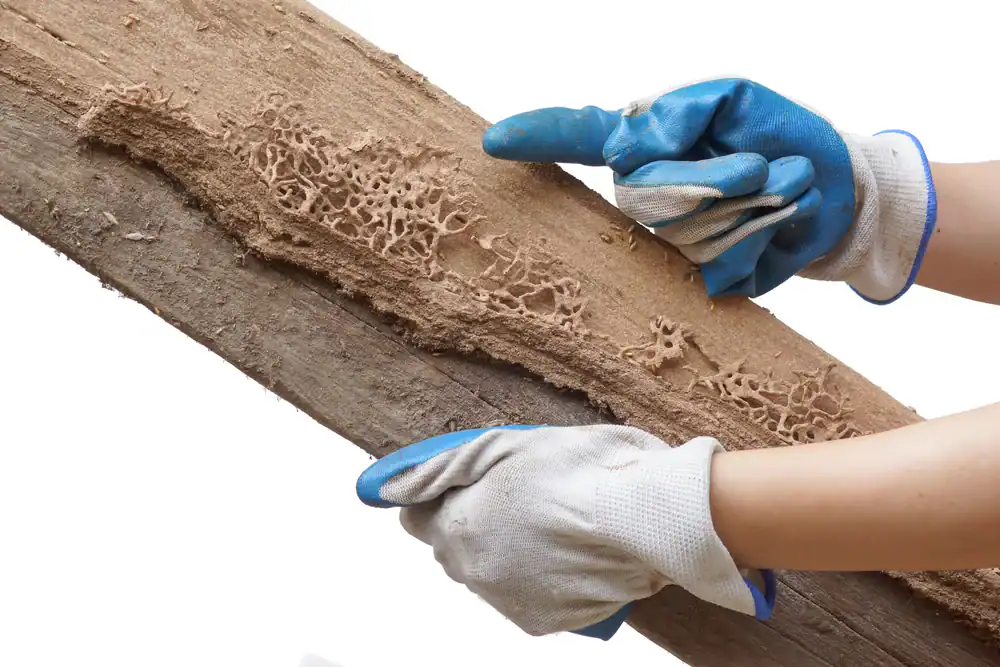
Drywood termites don’t need soil or moisture. They infest dry wood directly—your attic framing, furniture, even door frames. You’ll see small piles of sawdust-like pellets near the infestation. They’re harder to detect early because they don’t leave mud tubes, and they can do serious damage before you realize they’re there.
Both species are active in Hernando County, and both require different treatment approaches. That’s why a real inspection matters—you need someone who knows what to look for and how to treat each type effectively.
Termites can feed on your home for three to five years before you notice any visible signs. By that point, the damage is already significant. In Florida’s climate, that timeline can be even shorter because termites stay active year-round and consume wood faster in warm, humid conditions.
They only need a crack 1/32nd of an inch wide to get inside. Once they’re in, a single colony can have hundreds of thousands of termites working 24/7. You won’t hear them. You won’t see them until the damage is done.
That’s why waiting until you spot a problem is a bad strategy. By the time you see swarmers, sagging floors, or hollow-sounding wood, you’re already looking at expensive repairs. Prevention stops them before that clock starts.
Yes. New construction doesn’t make you immune. Termites don’t care how old your home is—they care whether there’s wood and moisture. Even homes built with treated lumber can develop vulnerabilities over time as that treatment wears off or as landscaping and grading changes create new access points.
In St. Leo, FL, new homes are often built in areas where land was recently cleared. That means displaced termite colonies are actively looking for new food sources—like your house. Builders may apply a pre-treatment during construction, but those treatments have a limited lifespan and don’t replace ongoing monitoring.
If anything, newer homes give you the advantage of starting prevention early. You’re protecting your investment from day one instead of playing catch-up after the damage starts.
We walk your entire property looking for conditions that attract termites and signs of active or past infestations. That includes checking your foundation for cracks, looking at wood-to-soil contact points, inspecting crawl spaces and attics, and identifying moisture problems that create ideal termite conditions.
We’re also looking for mud tubes, damaged wood, discarded wings from swarmers, and termite droppings. In Florida, we check for both subterranean and drywood termite activity since both are common in Hernando County.
After the inspection, we explain what we found in plain language. If there’s an active infestation, we talk through treatment options. If your home is clear, we discuss prevention strategies to keep it that way. You get a quote on the spot—no waiting, no pressure, just clear information so you can make a decision.
Most homes in St. Leo, FL benefit from an annual termite protection plan with quarterly monitoring visits. The initial treatment creates a barrier, and the follow-up visits ensure that barrier stays effective and that no new termite activity has started.
Florida’s year-round termite activity means you can’t treat once and forget about it. Termites don’t hibernate here. They’re feeding, reproducing, and spreading every month of the year. Regular monitoring catches problems early and keeps your treatment current.
If you’re in a high-risk area—near water, with a lot of mulch or wood landscaping features, or in an older home—you might need more frequent check-ins. We customize the schedule based on your property, not a one-size-fits-all approach. The goal is keeping you protected without overdoing it.