
Fast, reliable pest control from Hernando County’s most trusted family-owned team—with most quotes given over the phone.
Contact Info
Fast, reliable pest control from Hernando County’s most trusted family-owned team—with most quotes given over the phone.
Contact Info
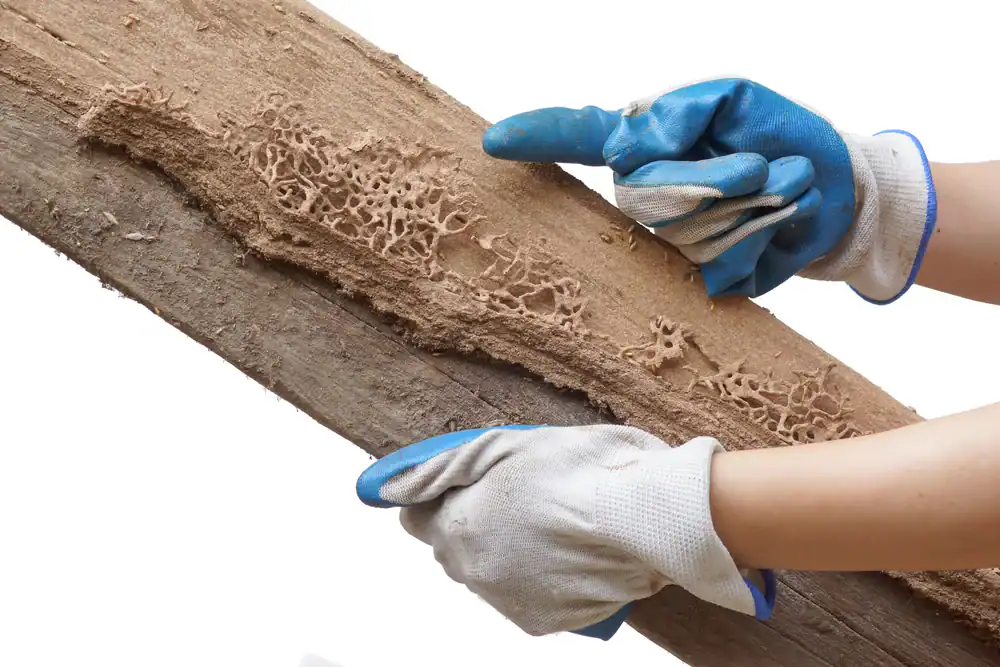
You’re not paying for termite prevention because you saw a swarm last week. You’re paying because you know what happens when you don’t—hidden damage for years, repair bills that insurance won’t touch, and the sinking feeling that your biggest investment is being eaten from the inside out.
Here’s what changes when you get ahead of it. You sleep better knowing there’s a barrier between your home and the 13 subterranean termite colonies per acre in Florida. You’re not wondering if that crack in the wall is cosmetic or structural. You have someone monitoring your property year-round who actually picks up the phone when you call.
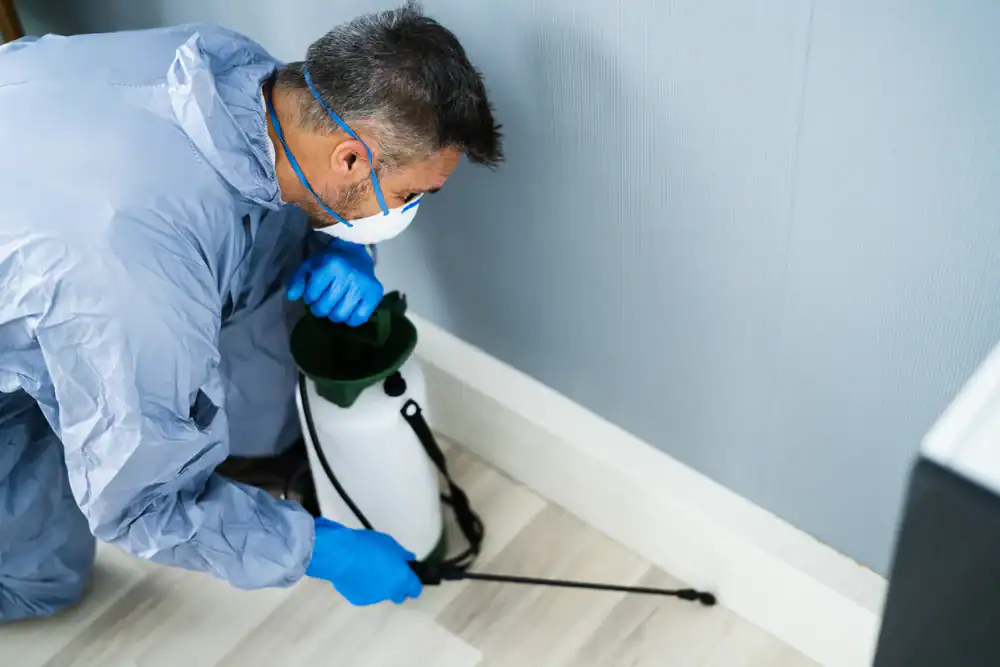
Professional termite protection in Croom, FL means regular inspections, treatment that targets Florida’s specific termite species, and a plan that adapts to your home’s risk level. It’s not a one-time spray and forget. It’s ongoing defense against pests that never stop foraging.
Around The Clock Pest Service isn’t a franchise with call centers and rotating technicians. You work directly with the owner—someone who answers the phone at 7 PM on a Saturday because that’s when you noticed the mud tubes on your foundation.
We’re state-certified, BBB-accredited, and licensed through 2027. We’ve built our reputation in Hernando County on honest assessments, transparent pricing, and showing up when we say we will. Most quotes happen over the phone because we’re not trying to upsell you in your driveway.
Croom homeowners deal with the same termite pressure as the rest of Florida—warm, humid conditions that keep termites active 365 days a year. We’ve seen what works here and what doesn’t. That experience shows up in how we inspect, where we treat, and how we communicate throughout the process.
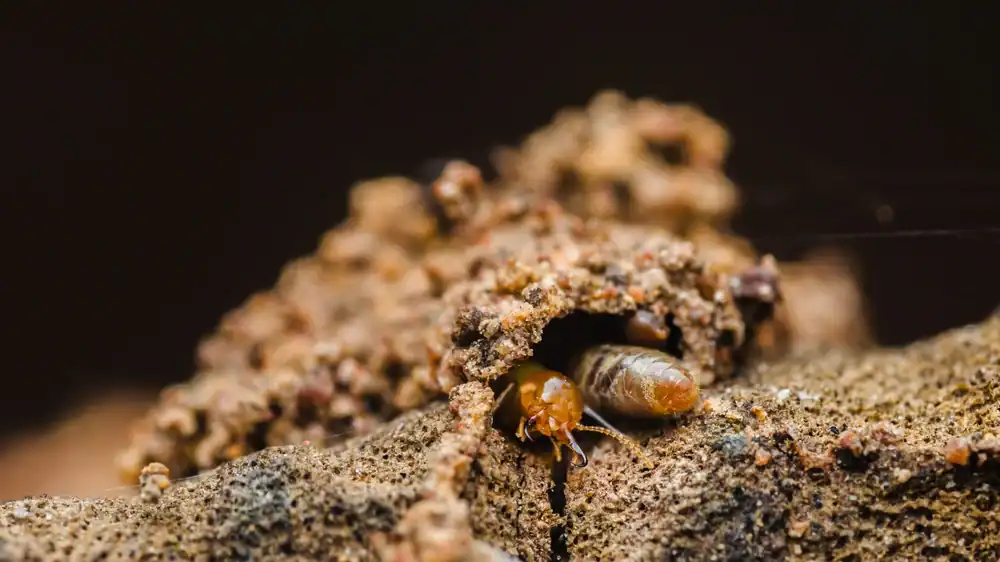
First, we inspect. That means crawling under your home, checking your foundation, looking at wood-to-soil contact points, and identifying which termite species you’re dealing with. Florida has 20 species, and six of them cause serious damage. Knowing the difference matters.
Next, we explain what we found—in plain language, not pest control jargon. If you have an active infestation, we’ll map it out and recommend treatment. If you’re here for prevention, we’ll show you the vulnerable spots and what a protection plan looks like for your property.
Treatment depends on the situation. Subterranean termites get liquid termiticides or bait systems around your foundation. Drywood termites might need localized treatment or fumigation if the infestation is widespread. We walk through costs, timelines, and what you should expect before any work starts.
After treatment, we set up monitoring. Annual termite protection plans in Croom, FL include regular inspections, retreatment if needed, and direct access to the owner if something changes. You’re not calling a 1-800 number. You’re texting the person who did the work.

Ready to get started?
A termite protection plan isn’t a receipt you file away and forget about. It’s active defense that adjusts to Florida’s year-round termite activity. You get annual inspections timed to catch swarming seasons—which in Florida can happen anytime from November through June depending on the species.
You also get priority scheduling if you spot something between visits. Mud tubes on the garage. Wings near a window. A hollow sound in the baseboard. Those calls get returned the same day, and if we need to come out, we do.
Croom sits in TIP Region 1, which means “very heavy” termite infestation probability. That’s not scare tactics—that’s USDA data. Homes here face constant pressure from subterranean termites, and the cost of treatment in Florida ranges from $1,000 to $2,500 depending on severity. Prevention costs less than repair, and repair costs less than ignoring it until you’re replacing floor joists.
We also handle WDO inspections for real estate transactions. If you’re buying or selling in Hernando County, you need a Wood Destroying Organism report. We turn those around fast, and we don’t inflate findings to drum up extra work.
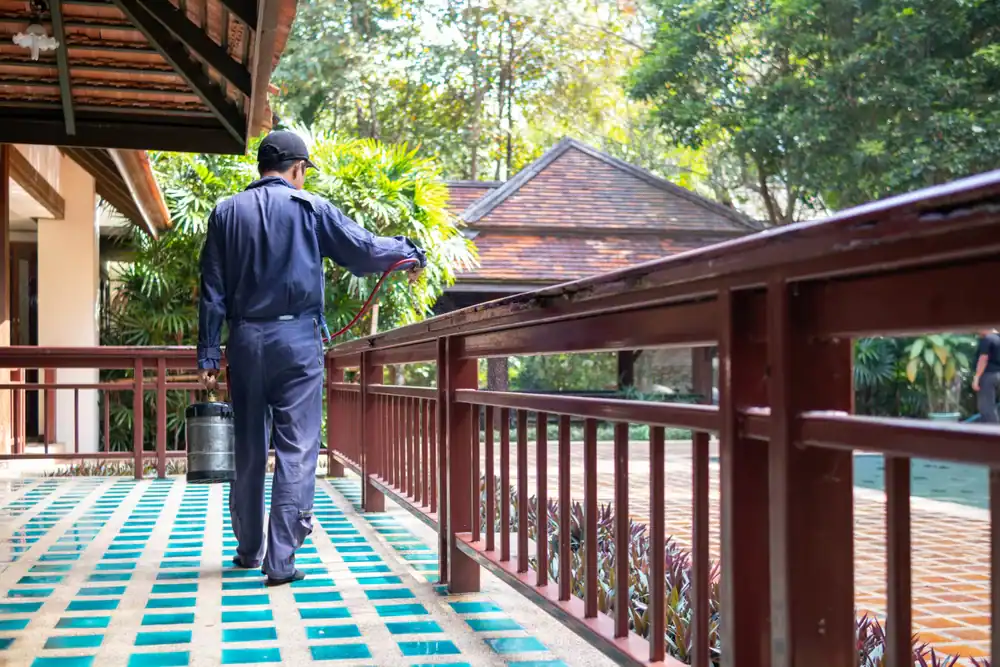
Most termite prevention plans in Croom, FL run between $400 and $800 annually, depending on your home’s size, construction type, and risk factors. That typically includes an initial treatment, annual inspections, and retreatment if termites show up between visits.
If you’re dealing with an active infestation, treatment costs range from $1,000 to $2,500 based on severity and the species involved. Subterranean termites usually require liquid treatments or bait systems around the foundation. Drywood termites might need localized spot treatments or whole-structure fumigation if the infestation is widespread.
We give most quotes over the phone after asking a few questions about your property. If we need to see it in person to give an accurate number, we’ll schedule that fast. No pressure, no upselling—just honest pricing based on what your home actually needs.
Subterranean termites live in the soil and build mud tubes to reach wood above ground. They’re the most common termite in Florida and cause the majority of structural damage. You’ll usually spot them near your foundation, crawl space, or anywhere wood touches soil.
Drywood termites don’t need soil contact. They infest dry wood directly—attics, furniture, window frames—and leave behind small piles of pellets that look like sawdust. They’re harder to detect early because they don’t build visible mud tubes.
Treatment differs too. Subterranean termites get liquid barriers or bait systems around your home’s perimeter. Drywood termites often require localized treatment in the infested wood or fumigation if they’ve spread throughout the structure. Florida has both, which is why a proper inspection identifies the species before we recommend a plan.
Once a year at minimum. Florida’s warm, humid climate keeps termites active year-round, and infestations can go unnoticed for 3 to 5 years before visible damage appears. Annual inspections catch early signs—mud tubes, frass, swarming activity—before you’re looking at structural repairs.
If you’re in a high-risk area like Croom, or if your home has wood siding, a crawl space, or previous termite history, twice a year makes more sense. Spring and fall inspections align with peak swarming seasons for most Florida termite species.
Real estate transactions require a WDO inspection regardless of your regular schedule. If you’re buying or selling, that report needs to be current—usually within 30 days of closing. We handle those fast and keep findings honest so transactions don’t stall over inflated claims.
No. Insurance companies in Florida consider termite damage preventable, so they rarely cover repair costs or treatment. That’s true even if you didn’t know the infestation was there. Once termites compromise your structure, you’re paying out of pocket to fix it.
That’s why prevention costs less than waiting. The average termite treatment in Florida runs $1,000 to $2,500, but structural repairs can hit $10,000 or more depending on how long the infestation went undetected. Replacing floor joists, wall studs, or roof trusses adds up fast.
An annual termite protection plan runs a fraction of that and includes monitoring, retreatment, and early detection. You’re not gambling on whether termites will find your home—they will. Florida has 13 subterranean termite colonies per acre. The question is whether you catch them early or after they’ve been feeding for years.
Mud tubes on your foundation or crawl space walls are the most obvious sign of subterranean termites. They’re about the width of a pencil and run from the soil to the wood they’re feeding on. Check around your foundation, basement, or anywhere wood contacts the ground.
Swarming termites near windows or doors mean a colony is mature and expanding. You’ll see winged termites or piles of discarded wings on windowsills, usually after rain. Different species swarm at different times in Florida, so swarming can happen almost any month.
Drywood termites leave small piles of pellets that look like sawdust or coffee grounds near infested wood. You might also notice hollow-sounding wood, tight-fitting doors or windows, or small holes in wood surfaces. If you’re seeing any of these, don’t wait—termites don’t take breaks, and the damage compounds daily.
You can buy termite treatments at hardware stores, but most DIY products don’t address the colony or provide long-term protection. Termites aren’t surface pests—subterranean colonies can have millions of members underground, and drywood termites burrow deep into wood. Spot-treating what you see doesn’t eliminate the problem.
Professional termite treatment in Croom, FL uses commercial-grade products and application methods that aren’t available to homeowners. Liquid termiticides create a barrier in the soil around your foundation. Bait systems target the colony itself. Both require proper placement, dosing, and monitoring to work.
Florida also requires pest control operators to be state-licensed and certified. That’s not just paperwork—it’s proof of training in termite biology, treatment methods, and safety protocols. If treatment goes wrong or doesn’t work, a licensed company is accountable. DIY attempts usually just delay effective treatment and let the infestation grow.